Volunteer
Over 60% of participants expressed the need for consultation in training/assessment and the establishment of dedicated departments for IMG support. Why This Matters for Healthcare Systems
66.7% of surveyed participants (126/189) advocated for reducing the administrative burden.
For many international medical graduates (IMGs), navigating the path to licensure in a new country is a maze of bureaucracy. A recent study, reported in PLOS ONE in August 2025, highlighted the key areas where IMGs need support to successfully integrate into new healthcare systems. Key Findings: What IMGs Need
The study suggests that future policy should focus on creating bespoke, supportive frameworks that recognize the immense value IMGs bring to their new communities.
62.1% of participants (118/190) emphasized that better recognition and matching of previous qualifications/experience to future allocated jobs is crucial.
"The recognition of previous qualifications is the cornerstone of a more inclusive healthcare system." Moving Forward
As countries grapple with physician shortages, maximizing the potential of internationally trained doctors is not just a fairness issue—it's a public health necessity. Streamlining these processes helps ensure that experienced professionals can contribute to the workforce faster.
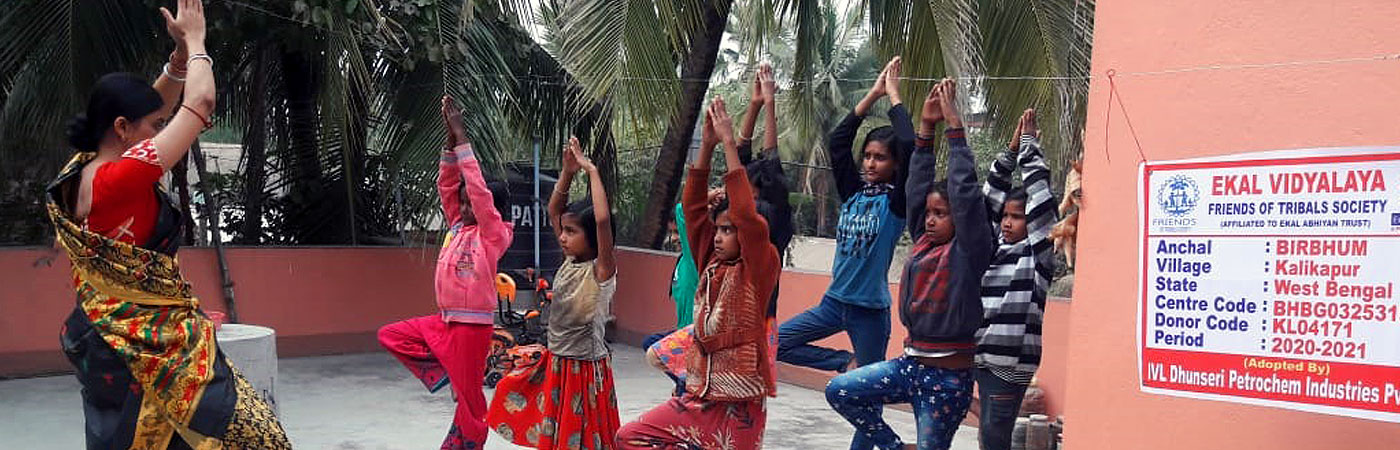


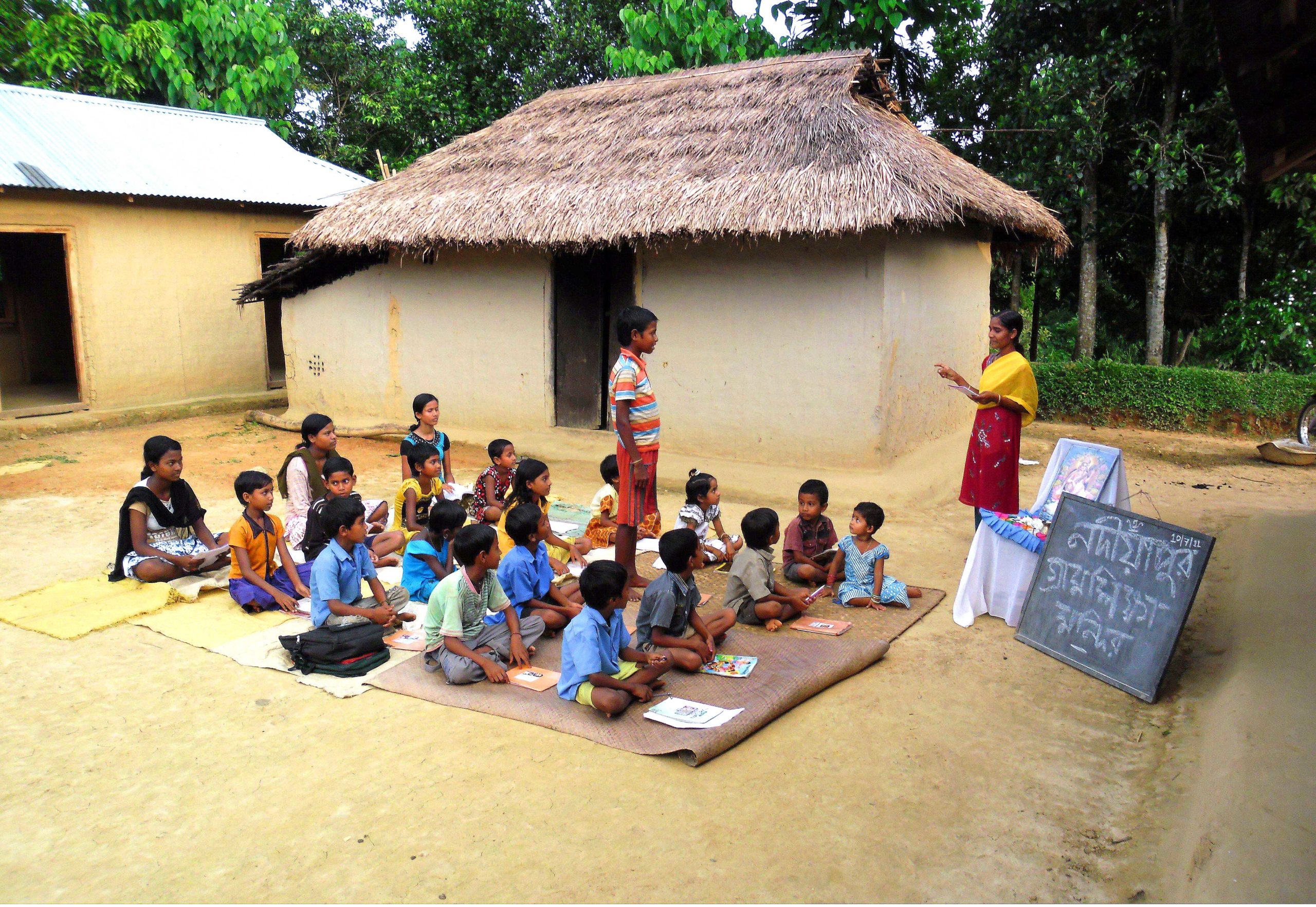

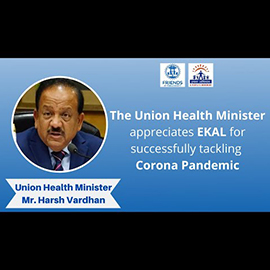
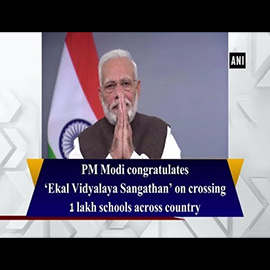
Our activities have been acknowledged with the prestigious Gandhi Peace Prize 2017 handed over by the President of India Shri Ram Nath Kovind along with the Prime Minister of India Shri Narendra Modi as on Oct, 2025



Over 60% of participants expressed the need for consultation in training/assessment and the establishment of dedicated departments for IMG support. Why This Matters for Healthcare Systems
66.7% of surveyed participants (126/189) advocated for reducing the administrative burden.
For many international medical graduates (IMGs), navigating the path to licensure in a new country is a maze of bureaucracy. A recent study, reported in PLOS ONE in August 2025, highlighted the key areas where IMGs need support to successfully integrate into new healthcare systems. Key Findings: What IMGs Need
The study suggests that future policy should focus on creating bespoke, supportive frameworks that recognize the immense value IMGs bring to their new communities.
62.1% of participants (118/190) emphasized that better recognition and matching of previous qualifications/experience to future allocated jobs is crucial.
"The recognition of previous qualifications is the cornerstone of a more inclusive healthcare system." Moving Forward
As countries grapple with physician shortages, maximizing the potential of internationally trained doctors is not just a fairness issue—it's a public health necessity. Streamlining these processes helps ensure that experienced professionals can contribute to the workforce faster.