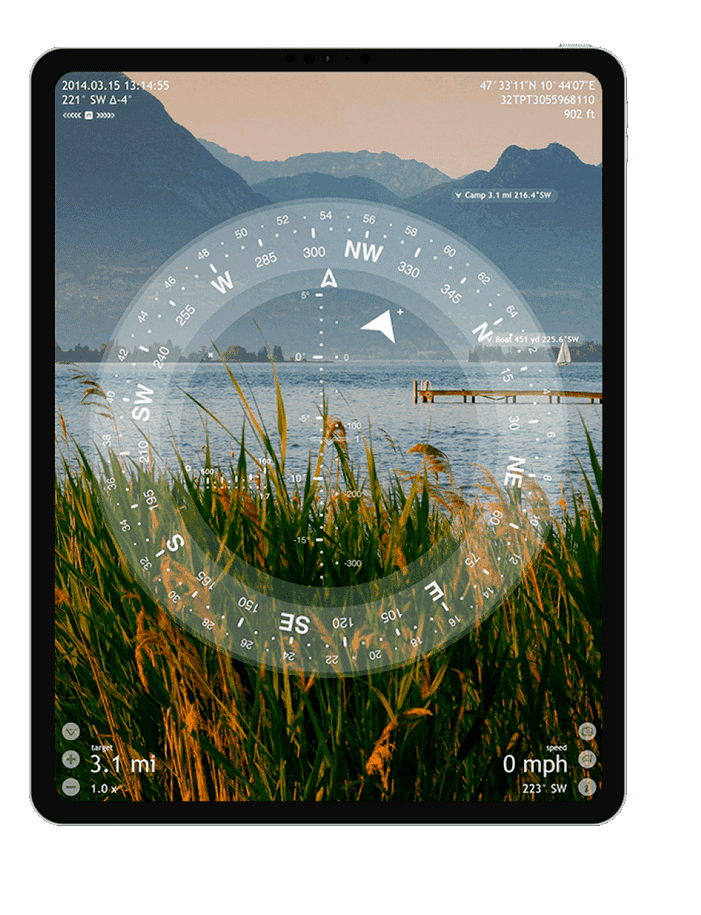
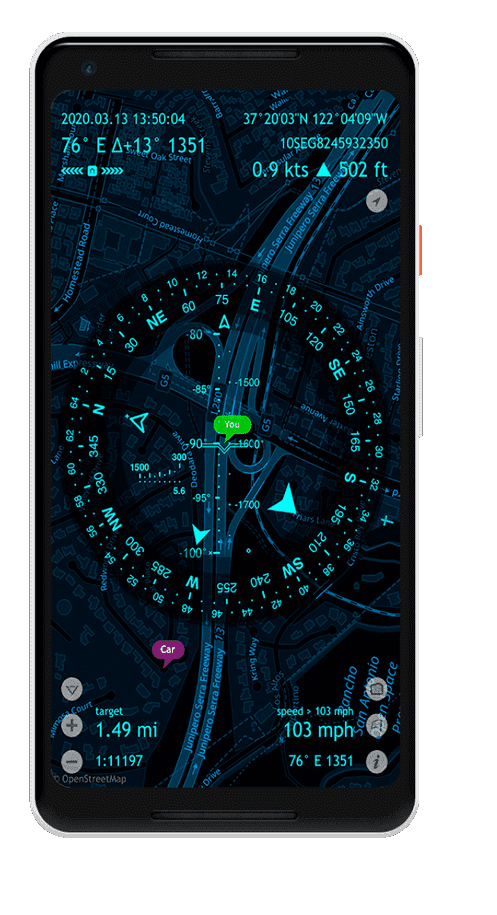
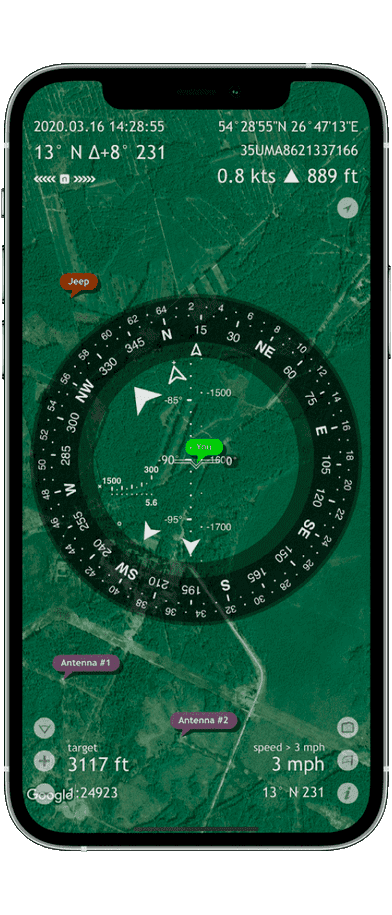
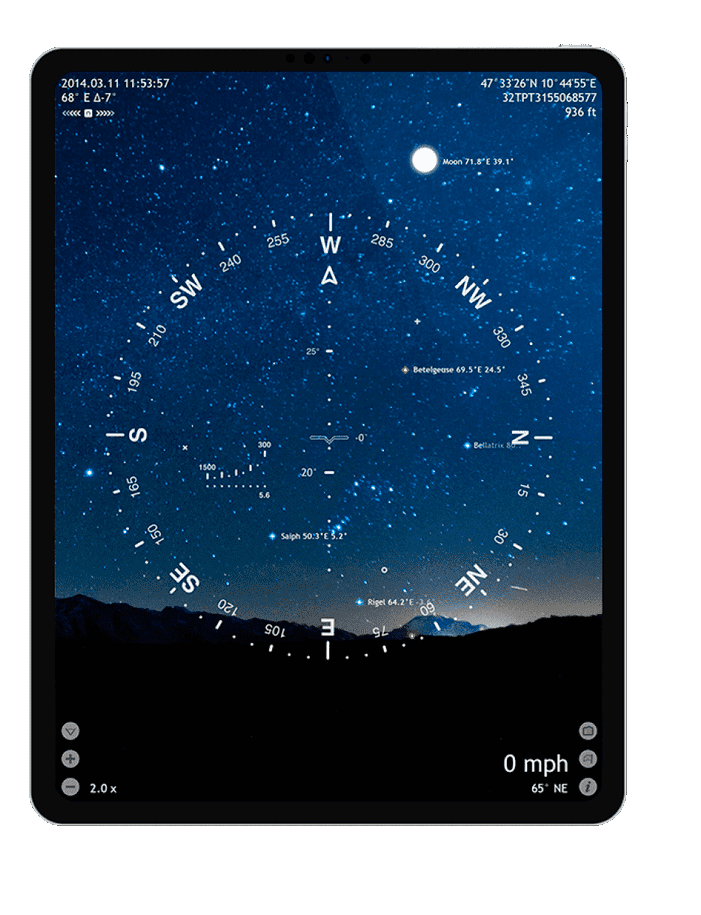
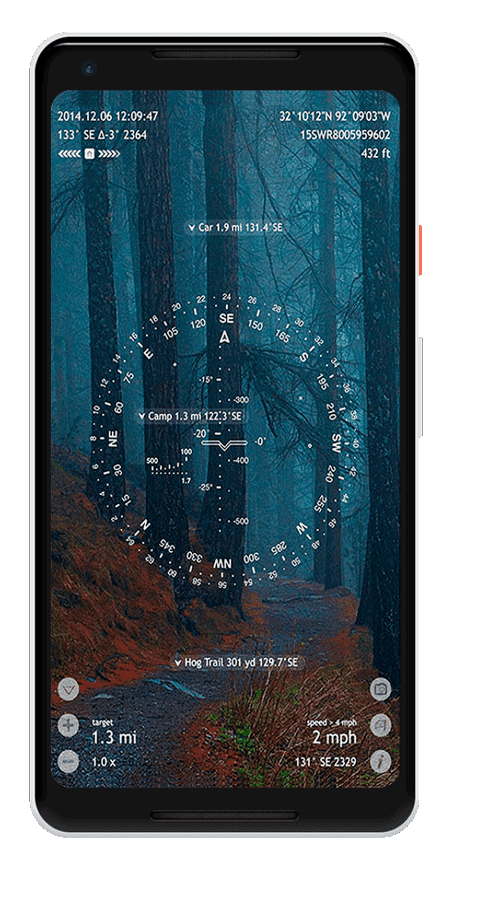
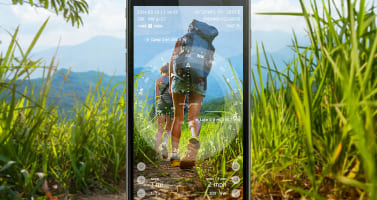
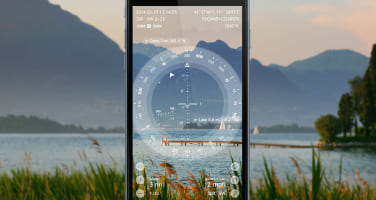
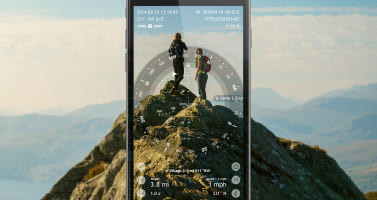
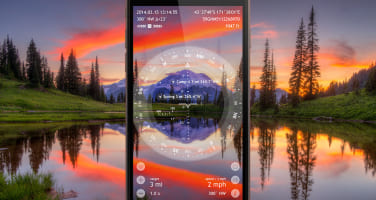
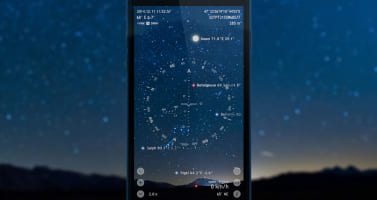
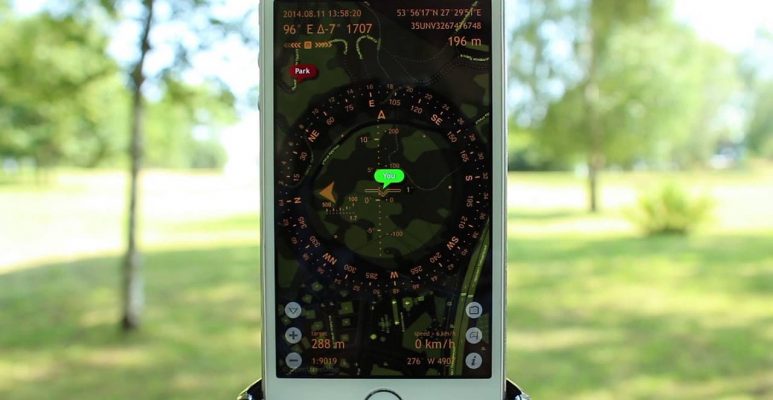
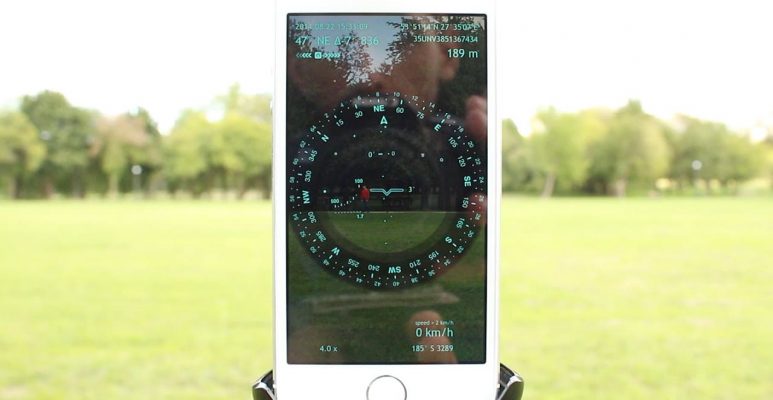
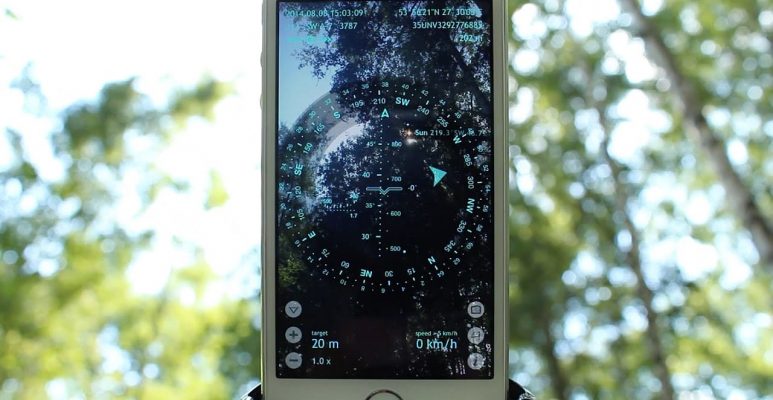
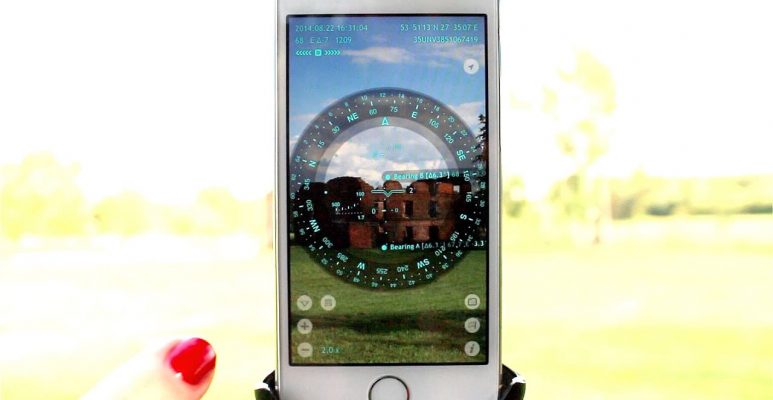
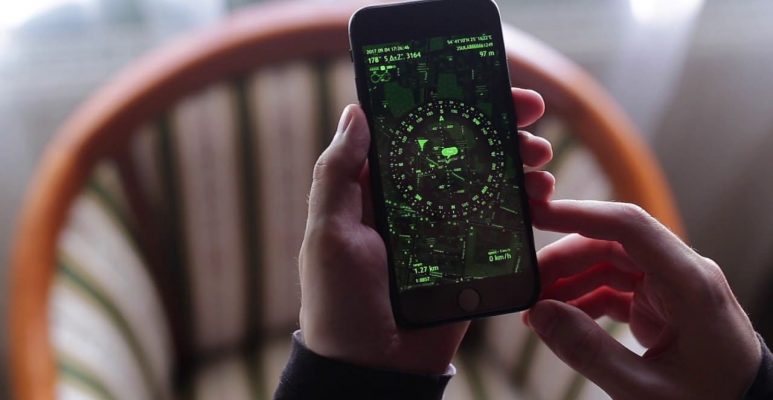
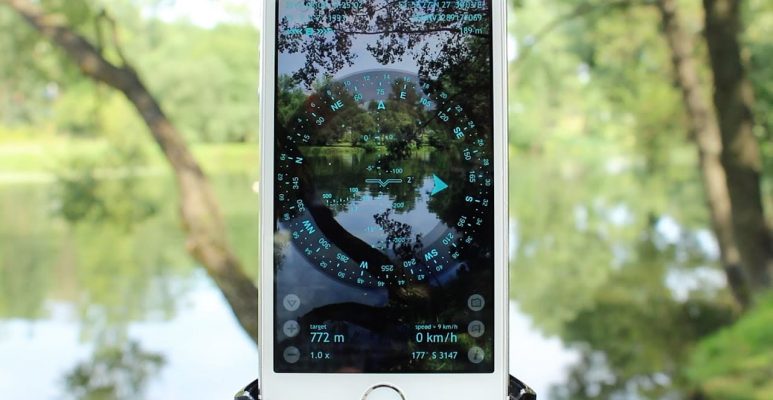
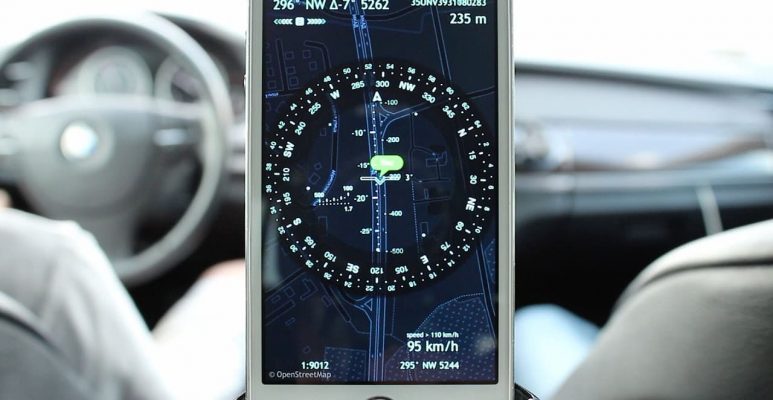
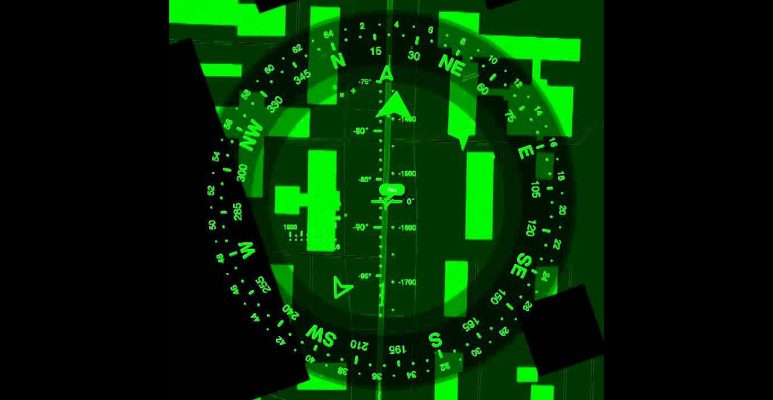
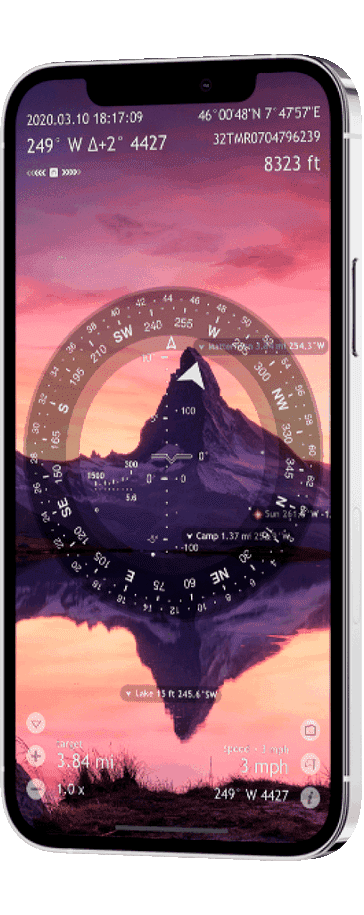
Turn your device into an advanced multispectral gadget that includes all sensors you need: GPS, digital compass, gyroscope, accelerometer, camera.

Reach unbelievable precision with the gyrocompass that is similar to air or marine navigation. Forget about any compass interferences. Get a live compass working on devices with no compass sensor.

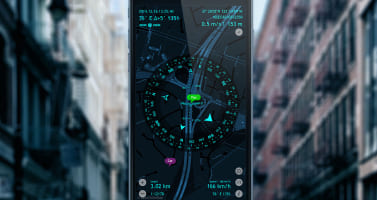
Find and track your location. Monitor your coordinates in geo and military formats. Check altitude, current and maximum speed, and course. Use imperial, metric, nautical, and military units.

Find directions with the Mil-Spec compass operating in 3D space at any orientation. Monitor direction hints about lots of targets, updated in real time on the azimuth circle.

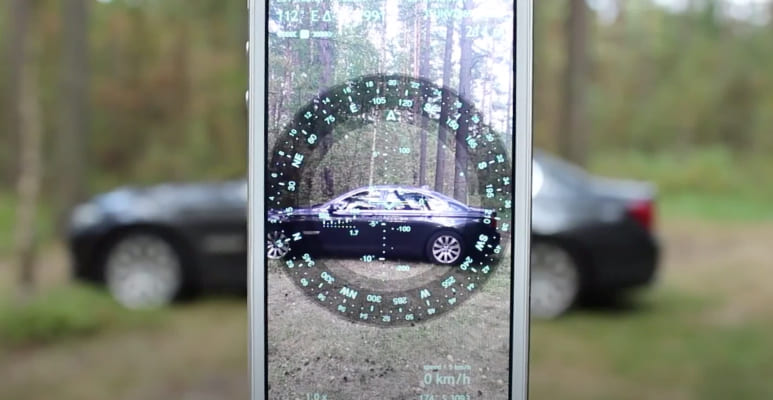
Measure distances to objects with a rangefinder reticle as in famous sniper scopes in real time.

Observe both your target’s and your own position on maps rotated automatically according to the current azimuth. Use street, satellite, or hybrid maps.

Track the position of any location, bearing, or star along with the Sun and the Moon in real time. Look at the objects through the planet Earth. Some objects are shown with the help of augmented reality. Get information about object distances, azimuths, and elevations.

Visually estimate the heights of buildings, mountains and other objects. Calculate distances from dimensions or vice versa. Get a visual picture of angles and distances measurements.

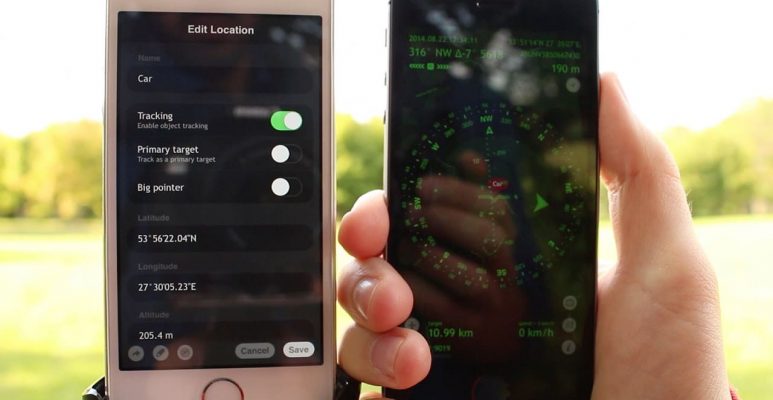
Tag locations and bearings.
This video shows how you can save your custom places and waypoints, see them on maps or augmented reality displays, and navigate precisely to them later using the gyrocompass mode and navigating by the sun for higher precision.
This video shows how you can share your current or saved location with your friends so that they could easily find the way to it, no matter what device or software they are using.
This overview video shows what you will see when you first open and start using Spyglass. It covers the app's main features, modes, and customization options. 122064
This video shows how you can use the Rangefinder to measure distance to your target. Just like a reticle in a sniper rifle, the Rangefinder in Spyglass is based on the height of an average human (1.7m/5.6ft).
This video shows how you can solve the hazardous accuracy issues, typical of most digital compasses, and get the highest precision possible on your device. In a detailed troubleshooting series for MySQL DBAs
This video shows how using the Sextant tool you can measure the size of a building/object if you know the distance to it. Or vice versa – how you can measure the distance if you know the size.
This video explains how to improve accuracy of the compass on iPhone or iPad using maps and the gyrocompass mode. Broader Context: Why Numbers Like This Matter To
This video shows how you can document significant locations, trail hazards, violations, or incidents by grabbing pictures with myriads of positional data overlaid.
This video shows how you can use Spyglass as a backup speedometer for your vehicle, get clear compass directions on back road and cross country road trips, trace your position on the map, and control your vertical speed.
In a detailed troubleshooting series for MySQL DBAs , the value is captured during a pt-stalk data collection event. It appears in the free column of the vmstat (virtual memory statistics) output, indicating that the server had approximately 122 MB of physical memory immediately available for allocation. Understanding the Log Context
: In the specific trace where this number appears, it is analyzed alongside diskstats (disk I/O) and innodb transaction logs to see if memory pressure is causing threads to wait. Broader Context: Why Numbers Like This Matter
To provide a "deep" look, this post explores the technical context of this value within system monitoring, specifically as it relates to database performance and server health. The Significance of 122064 in System Monitoring
Used to identify memory exhaustion during database lock-ups.
: Seeing 122,064 KB free on a high-performance database server can be a warning sign. While Linux prefers to use "free" RAM for caching, a sudden drop toward this level often precedes swap activity , which can drastically slow down database queries.
: Often, servers appear healthy because CPU usage is low, but metrics like "free memory" and "wait time" (the wa column in logs) tell the real story of a system struggling to keep up with I/O. Summary of Technical Attributes Data Source vmstat / pt-sift Standard Linux performance reporting tools. Unit Kilobytes (KB) Represents ~119.2 MiB of memory. Primary Use Troubleshooting
For system administrators and developers, "122064" represents the importance of .
: A "deep" analysis of system logs requires comparing this "free" value against a baseline. If the server normally has 8 GB free and suddenly hits 122 MB, you are looking at a memory leak or a massive query spike.
Please, enter your name and e-mail, so we could answer you. Then type your message and press “Send Message”.
We’ll answer shortly.