Repeat Crafter Me

Crafts, DIY projects, FREE crochet patterns, crock pot recipes and more!

  • Home
  • About Me
  • Crafting
  • Crocheting
  • Crockpotting
  • Contact
  • Books

Art Deco was more than an aesthetic choice; it was a response to the social shifts of the Interwar period. Following the trauma of World War I, there was a collective desire for glamour and escapism. The "Jazz Age" adopted Art Deco as its backdrop, seen in the opulent interiors of ocean liners, cinemas, and hotel ballrooms. It was a democratic movement in its own way—while it began as a high-luxury craft, the rise of mass production allowed Art Deco patterns to appear on everything from jewelry and fashion to household appliances and travel posters. Decline and Legacy

The movement’s roots trace back to France around 1910, but it gained global recognition at the 1925 Exposition Internationale des Arts Décoratifs et Industriels Modernes in Paris. Unlike previous movements that sought to harmonize with nature, Art Deco embraced the "poetry of the machine." It was a deliberate attempt to create a style that reflected the rapid technological progress of the era, from the rise of the automobile to the advent of the skyscraper. Characteristics and Aesthetics

However, its impact remains indelible. Art Deco transformed the urban landscape and proved that functional objects could be works of art. It bridged the gap between traditional craftsmanship and industrial mass production, leaving behind a legacy of sophistication and a timeless vision of the future.

The Elegance of Order: Art Deco (1910–1939) Art Deco stands as one of the most influential visual arts design styles of the 20th century, emerging just before World War I and flourishing until the outbreak of World War II. Representing a transition from the organic, flowing lines of Art Nouveau to a more rigid, industrial aesthetic, Art Deco became the definitive visual language of modernity, luxury, and the machine age. Origins and the 1925 Exposition

The dominance of Art Deco began to wane in the late 1930s. As the Great Depression deepened, the style evolved into "Streamline Moderne," a more austere, functional version of the aesthetic. By 1939, as the world moved toward the functionalism required by a second global conflict, the ornate and decorative nature of Art Deco felt out of step with the times.
Let’s Connect!

  • Reveries
  • 8liam.7z
  • 78875x
  • Ma.7z
  • Breast
Art Deco: 1910–1939
Hi and thanks for stopping by! I'm Sarah, the crafter, crocheter and occasional crockpotter behind this blog. As a wife and mom of 3 my days are busy but I always find time to pick up my crochet hook or indulge in something crafty. I have a passion for crafting and crocheting and offer my patterns and tutorials for free! I hope you enjoy everything you find here and please feel free to repeat after me!

                       CAT PAW CHAIR SOCKS!Art Deco: 1910–1939

BESTSELLER! CROCHET CUTE CRITTERS
Art Deco: 1910–1939

Privacy

Follow by Email

Crocheting

Art Deco: 1910вђ“1939 Site

Art Deco was more than an aesthetic choice; it was a response to the social shifts of the Interwar period. Following the trauma of World War I, there was a collective desire for glamour and escapism. The "Jazz Age" adopted Art Deco as its backdrop, seen in the opulent interiors of ocean liners, cinemas, and hotel ballrooms. It was a democratic movement in its own way—while it began as a high-luxury craft, the rise of mass production allowed Art Deco patterns to appear on everything from jewelry and fashion to household appliances and travel posters. Decline and Legacy

The movement’s roots trace back to France around 1910, but it gained global recognition at the 1925 Exposition Internationale des Arts Décoratifs et Industriels Modernes in Paris. Unlike previous movements that sought to harmonize with nature, Art Deco embraced the "poetry of the machine." It was a deliberate attempt to create a style that reflected the rapid technological progress of the era, from the rise of the automobile to the advent of the skyscraper. Characteristics and Aesthetics Art Deco: 1910–1939

However, its impact remains indelible. Art Deco transformed the urban landscape and proved that functional objects could be works of art. It bridged the gap between traditional craftsmanship and industrial mass production, leaving behind a legacy of sophistication and a timeless vision of the future. Art Deco was more than an aesthetic choice;

The Elegance of Order: Art Deco (1910–1939) Art Deco stands as one of the most influential visual arts design styles of the 20th century, emerging just before World War I and flourishing until the outbreak of World War II. Representing a transition from the organic, flowing lines of Art Nouveau to a more rigid, industrial aesthetic, Art Deco became the definitive visual language of modernity, luxury, and the machine age. Origins and the 1925 Exposition It was a democratic movement in its own

The dominance of Art Deco began to wane in the late 1930s. As the Great Depression deepened, the style evolved into "Streamline Moderne," a more austere, functional version of the aesthetic. By 1939, as the world moved toward the functionalism required by a second global conflict, the ornate and decorative nature of Art Deco felt out of step with the times.

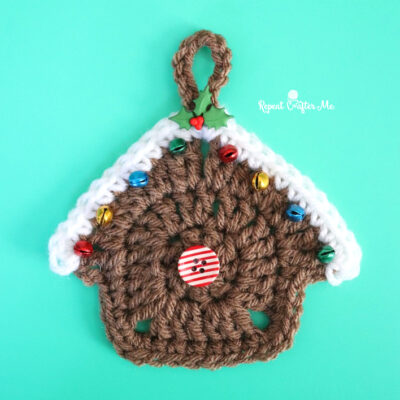
Easy Gingerbread House Crochet Ornament

Easy Gingerbread House Crochet Ornament

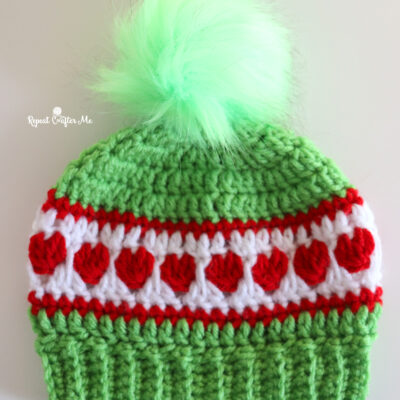
Grinch-Inspired Hearts in a Row Crochet Hat

Grinch-Inspired Hearts in a Row Crochet Hat

More Posts from this Category

© 2025 · Repeat Crafter Me · Site by High Note Designs

© 2026 — Deep Harbor