Babala_gumbala Instant
The song is most frequently attributed to the Yoruba tradition, specifically as a song of greeting used when two villages meet or welcome each other. However, its exact linguistic roots are a subject of debate among ethnomusicologists and music educators:
The song follows a simple (or "repeat-after-me") format, making it accessible for children and large community gatherings. Standard Lyrics: babala_gumbala
: Many sources, including Melinda Caroll Music and educators like Beth's Notes , identify it as a Yoruba folk song. The song is most frequently attributed to the
: While the word "Baba" means "father" in Yoruba, the full meaning of the lyrics "Babala gumbala" remains largely unknown in contemporary English translations. Musical Structure and Lyrics : While the word "Baba" means "father" in
is a popular call-and-response folk song widely used in schools, community choirs, and music education programs worldwide. Often described as a traditional greeting song from the Yoruba people of West Africa, it is celebrated for its rhythmic energy and ability to bring groups together through music. Origins and Cultural Background
: Some alternative theories suggest it may be a harvest song from Ghana or even have Zulu origins, though these claims are less commonly documented.
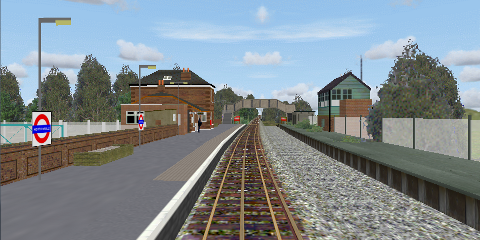
LU Central Line, Epping--Ongar
Description:
LU Central Line, the Epping--Ongar branch. This rural part of London's subway network was closed for traffic in 1994. Well-made route with many details.
Alt.:
Epping-Ongar
Stations:
4
Stops:
2
Known problems:
Download from:
The hosting website
London Underground OpenBVE / BVE 4 archive page
has disappeared from the Internet.
To download from this website:
N/A for the moment. Request to host the route sent to the creator.
Last update of this directory entry:
2023-Jun-27


 © Patrick Norqvist