Ensuring the "HD" output remains performant across various hardware configurations. 3. Current Progress
If referencing the AdamHD optimization algorithm , the goal is to implement Decoupled Huber Decay Regularization to improve training stability and convergence in large models.
Optimizing the HD output to run smoothly without requiring top-tier enthusiast hardware. 5. Next Steps Finalize the integration of the HD asset library.
Currently active. Initial builds are being tested for lighting and texture resolution. Phase 3 (Review): Scheduled for [Insert Date]. 4. Key Challenges
Ensuring the "HD" output remains performant across various hardware configurations. 3. Current Progress
If referencing the AdamHD optimization algorithm , the goal is to implement Decoupled Huber Decay Regularization to improve training stability and convergence in large models.
Optimizing the HD output to run smoothly without requiring top-tier enthusiast hardware. 5. Next Steps Finalize the integration of the HD asset library.
Currently active. Initial builds are being tested for lighting and texture resolution. Phase 3 (Review): Scheduled for [Insert Date]. 4. Key Challenges
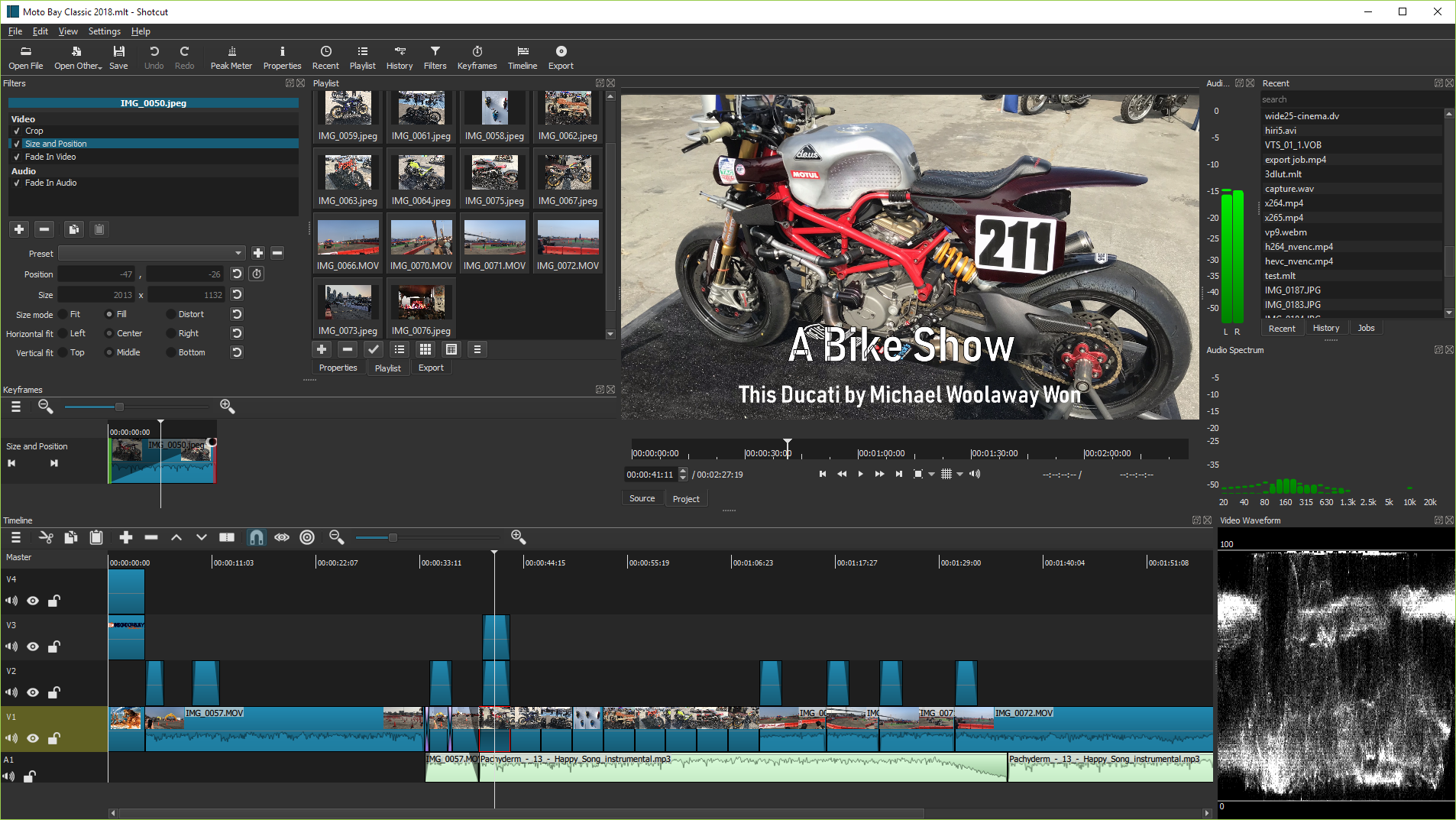
Shotcut was originally conceived in November, 2004 by Charlie Yates, an MLT co-founder and the original lead developer (see the original website). The current version of Shotcut is a complete rewrite by Dan Dennedy, another MLT co-founder and its current lead. Dan wanted to create a new editor based on MLT and he chose to reuse the Shotcut name since he liked it so much. He wanted to make something to exercise the new cross-platform capabilities of MLT especially in conjunction with the WebVfx and Movit plugins.
Lead Developer of Shotcut and MLT