
• Skip to primary navigation
  • Skip to main content
  • Skip to primary sidebar
  • Skip to footer
  • All recipes
  • Vegan kitchen essentials
  • About
  • Buy me a coffee
  • Subscribe
menu icon
  • Home
  • General
  • Guides
  • Reviews
  • News
subscribe
search icon
Homepage link
  • All recipes
  • Vegan kitchen essentials
  • About
  • Buy me a coffee
  • Subscribe
  • Follow on social media:

    • Facebook
    • Instagram
    • Pinterest
    • YouTube
  • ×

    Home » Recipes » Dessert Recipes

    The relationship between the transgender community and LGBTQ+ culture is one of mutual necessity. The trans community provides the movement with its most radical roots and its most visionary future. As the "T" becomes more integrated into the heart of queer advocacy, the goal remains clear: a world where everyone has the safety to explore the full spectrum of their identity. The strength of LGBTQ+ culture lies not in its uniformity, but in its ability to protect and celebrate the diversity of the human spirit.

    The transgender community has long been the bedrock of LGBTQ+ history, often serving as the vanguard of the movement for equality while simultaneously navigating a unique set of challenges within and outside of the queer collective. While the acronym "LGBTQ+" suggests a monolithic experience, the "T" represents a distinct journey of gender identity that both enriches and complicates the broader cultural narrative. Understanding the intersection of the transgender community and LGBTQ+ culture requires looking at a history defined by resilience, a present marked by visibility, and a future focused on true intersectional liberation.

    In the 21st century, a "trans-visibility" revolution has shifted the cultural landscape. From media representation to the widespread adoption of gender-neutral pronouns, the language of gender has become more fluid. Within LGBTQ+ culture, this has fostered a deeper understanding that sexual orientation (who you are attracted to) and gender identity (who you are) are separate but related components of the self. This distinction has allowed for a more nuanced culture where "queerness" is defined not just by whom one loves, but by the radical act of living authentically in a world that enforces a strict gender binary.

    The Evolving Tapestry: Transgender Experience within LGBTQ+ Culture

    Transgender culture has also contributed immensely to the aesthetic and social fabric of the LGBTQ+ world. From the "Ballroom" scene of the 1980s to modern drag performance, trans innovators have shaped the music, fashion, and slang that the world now identifies as "queer culture." Beyond aesthetics, the trans community offers the movement a profound philosophical gift: the proof that identity is not a destiny assigned at birth, but a journey of self-determination.

    Transgender and gender-nonconforming individuals have historically been the "front liners" of queer liberation. The 1969 Stonewall Uprising, the symbolic birth of the modern movement, was fueled by the bravery of trans women of colour like Marsha P. Johnson and Sylvia Rivera. Despite this, the decades that followed often saw the transgender community sidelined. As the mainstream movement pivoted toward "respectability politics" in the 1980s and 90s—focusing heavily on marriage equality and military service—transgender voices were frequently marginalized to make the movement more "palatable" to a cisgender public. This tension has created a historical debt that the broader LGBTQ+ community is only recently beginning to acknowledge.

    However, visibility is a double-edged sword. While it brings representation, it has also made the transgender community a primary target for legislative and social pushback. Within the LGBTQ+ umbrella, transgender individuals—particularly Black and Brown trans women—face disproportionately higher rates of violence, homelessness, and healthcare disparities. This reality forces the broader culture to confront its own internal biases. True LGBTQ+ solidarity today is increasingly measured by how well cisgender gay, lesbian, and bisexual individuals show up for their trans siblings, moving beyond "inclusion" toward active advocacy.

    Primary Sidebar

    Image of Vegan Blueberry recipe creator.

    Welcome to Vegan Blueberry! Here you'll find veganized versions of your favorite comfort food, amazing vegan desserts, and the best vegan cheese recipes on the internet.

    More about Vegan Blueberry →

    "Buy me a coffee" button.

    Reader favorites:

    • Reveries
    • 8liam.7z
    • 78875x
    • Ma.7z
    • Breast

    Footer

    logo collage

    Find Out What's Cookin'

    • Facebook
    • Instagram
    • Pinterest
    • YouTube

    Who's behind Vegan Blueberry?

    charm shemalesHi! I'm Kate. Welcome to Vegan Blueberry, where you'll find easy, delicious vegan recipes that are family-friendly and super satisfying! Read more

    My Favorites:

    Shemales | Charm

    The relationship between the transgender community and LGBTQ+ culture is one of mutual necessity. The trans community provides the movement with its most radical roots and its most visionary future. As the "T" becomes more integrated into the heart of queer advocacy, the goal remains clear: a world where everyone has the safety to explore the full spectrum of their identity. The strength of LGBTQ+ culture lies not in its uniformity, but in its ability to protect and celebrate the diversity of the human spirit.

    The transgender community has long been the bedrock of LGBTQ+ history, often serving as the vanguard of the movement for equality while simultaneously navigating a unique set of challenges within and outside of the queer collective. While the acronym "LGBTQ+" suggests a monolithic experience, the "T" represents a distinct journey of gender identity that both enriches and complicates the broader cultural narrative. Understanding the intersection of the transgender community and LGBTQ+ culture requires looking at a history defined by resilience, a present marked by visibility, and a future focused on true intersectional liberation. charm shemales

    In the 21st century, a "trans-visibility" revolution has shifted the cultural landscape. From media representation to the widespread adoption of gender-neutral pronouns, the language of gender has become more fluid. Within LGBTQ+ culture, this has fostered a deeper understanding that sexual orientation (who you are attracted to) and gender identity (who you are) are separate but related components of the self. This distinction has allowed for a more nuanced culture where "queerness" is defined not just by whom one loves, but by the radical act of living authentically in a world that enforces a strict gender binary. The strength of LGBTQ+ culture lies not in

    The Evolving Tapestry: Transgender Experience within LGBTQ+ Culture Within the LGBTQ+ umbrella

    Transgender culture has also contributed immensely to the aesthetic and social fabric of the LGBTQ+ world. From the "Ballroom" scene of the 1980s to modern drag performance, trans innovators have shaped the music, fashion, and slang that the world now identifies as "queer culture." Beyond aesthetics, the trans community offers the movement a profound philosophical gift: the proof that identity is not a destiny assigned at birth, but a journey of self-determination.

    Transgender and gender-nonconforming individuals have historically been the "front liners" of queer liberation. The 1969 Stonewall Uprising, the symbolic birth of the modern movement, was fueled by the bravery of trans women of colour like Marsha P. Johnson and Sylvia Rivera. Despite this, the decades that followed often saw the transgender community sidelined. As the mainstream movement pivoted toward "respectability politics" in the 1980s and 90s—focusing heavily on marriage equality and military service—transgender voices were frequently marginalized to make the movement more "palatable" to a cisgender public. This tension has created a historical debt that the broader LGBTQ+ community is only recently beginning to acknowledge.

    However, visibility is a double-edged sword. While it brings representation, it has also made the transgender community a primary target for legislative and social pushback. Within the LGBTQ+ umbrella, transgender individuals—particularly Black and Brown trans women—face disproportionately higher rates of violence, homelessness, and healthcare disparities. This reality forces the broader culture to confront its own internal biases. True LGBTQ+ solidarity today is increasingly measured by how well cisgender gay, lesbian, and bisexual individuals show up for their trans siblings, moving beyond "inclusion" toward active advocacy.

    Collage of recipe pictures with text: 25 vegan air fryer recipes
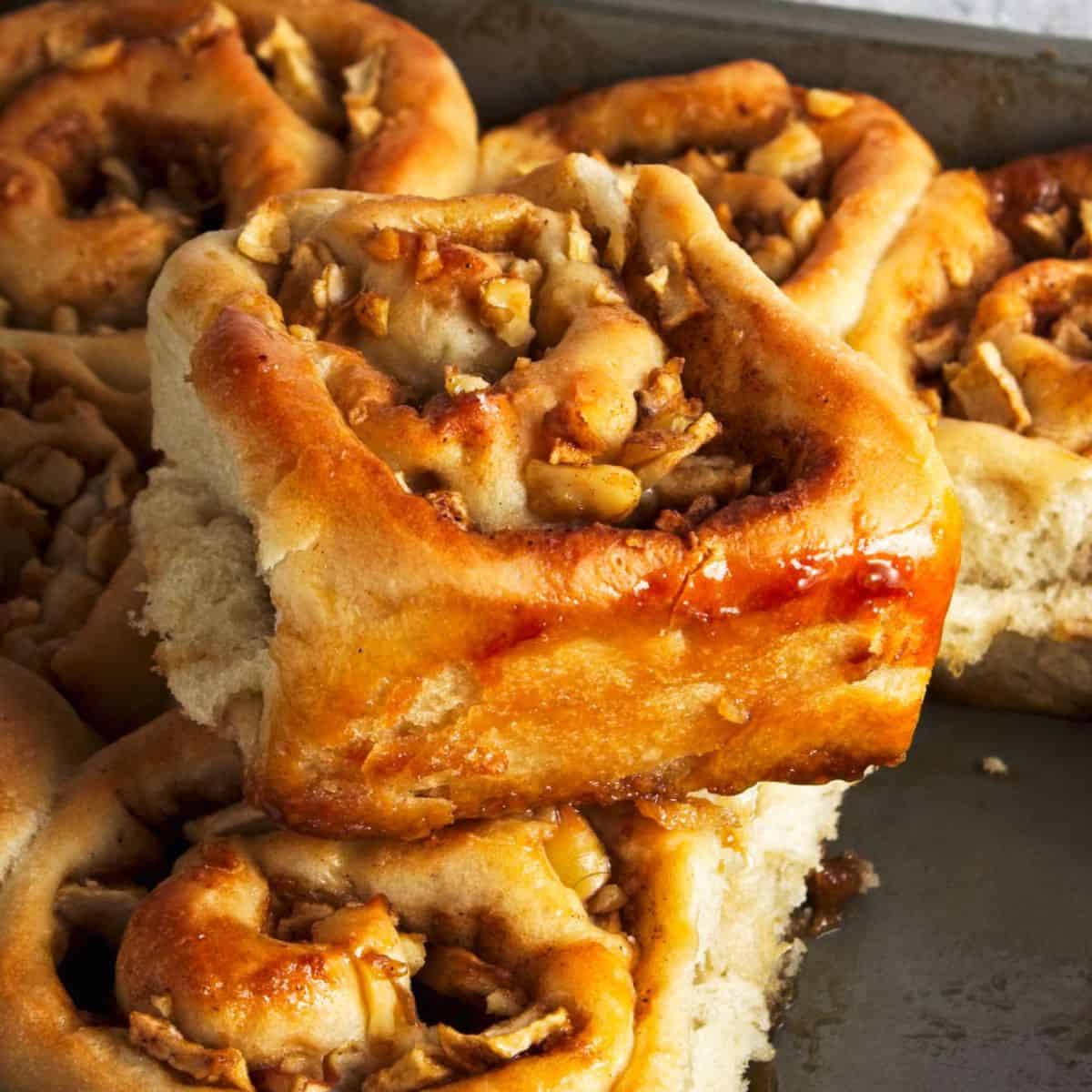
    Vegan sticky bun picture to show texture

    See the Vegan Blueberry Web Stories

    Footer

    ↑ back to top

    About

    • About Vegan Blueberry

    Newsletter

    • Sign Up! for emails and updates

    Contact

    • Contact

    As an Amazon Associate I earn from qualifying purchases. See my full disclosure and privacy policy.

    Copyright © 2025 · MAMA IS WORKING LLC, VEGAN BLUEBERRY | Privacy Policy

    © 2026 Deep Harbor. All rights reserved.

    Rate This Recipe

    Your vote:


    A rating is required
    A name is required
    An email is required

    Recipe Ratings without Comment

    Something went wrong. Please try again.