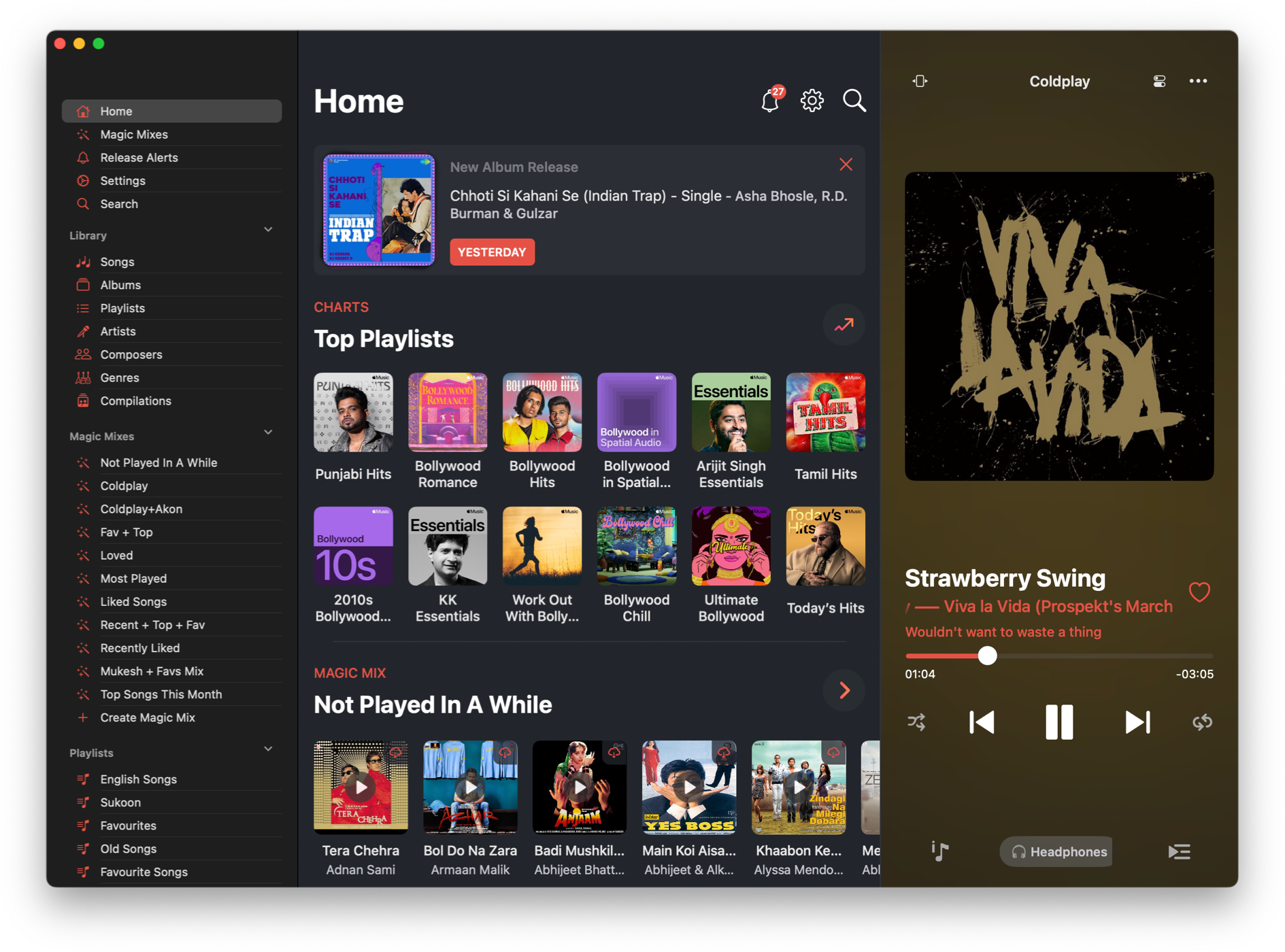
The only 3rd party music app with full Apple music support. Play, search, like, share and add songs from across the entire Apple Music catalogue.
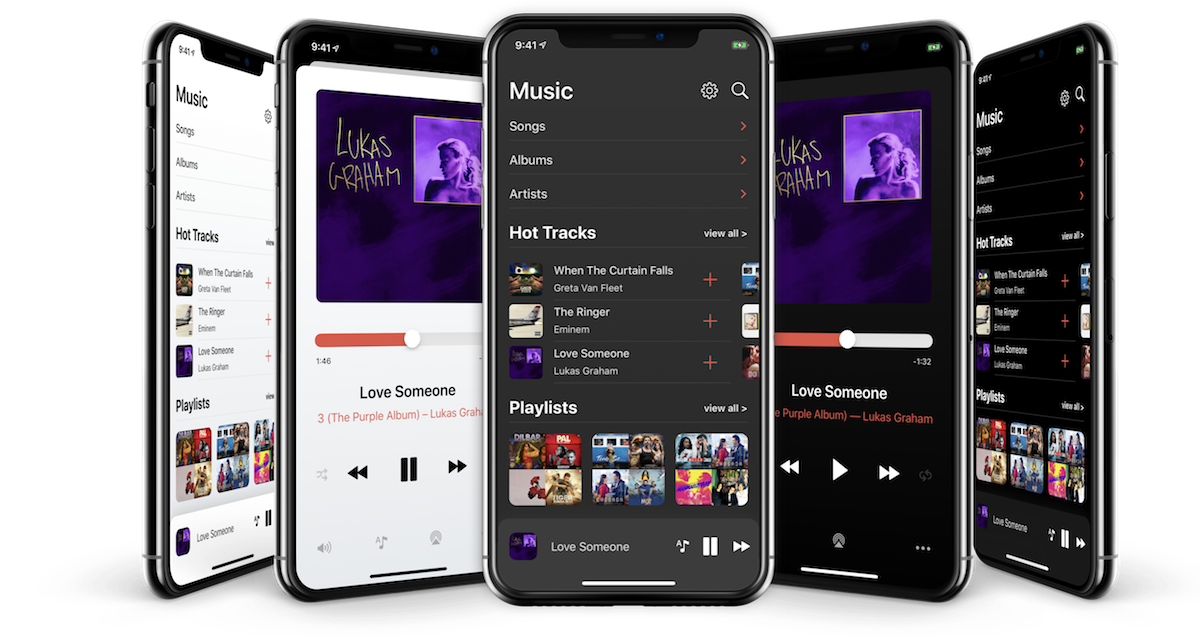
3 pre-defined themes to make the app look how you want. More theme colors coming soon.
Debt is a chapter, not the whole book. While it dictates the pace of the current journey, it doesn't have to define the destination.
Whether using the "Snowball" method (paying smallest debts first for wins) or the "Avalanche" method (targeting high interest first), the goal is movement.
Breaking the cycle of relying on credit for daily needs. Debt is a chapter, not the whole book
AI responses may include mistakes. For legal advice, consult a professional. Learn more
Feeling unable to take risks, like starting a business or changing careers. Breaking the cycle of relying on credit for daily needs
There is "technical" debt—the mortgages that build homes and the loans that fund educations. These are often viewed as investments in a future self. Then there is the "survival" or "impulse" debt—the high-interest balances that accumulate when income doesn't meet the cost of living or when we try to buy a lifestyle we haven't earned yet. The Weight of the "Owe"
The psychological burden of debt is often greater than the financial one. It creates a "scarcity mindset," where every decision is filtered through the lens of what is owed rather than what is possible. It can lead to: Learn more Feeling unable to take risks, like
Debt is a heavy word, often felt more than it is understood. At its simplest, it’s a tool—a bridge between where you are and where you want to be. But for many, it feels more like an anchor, pulling at the present to pay for the past. The Two Faces of Debt