De Pe Resteu: Floarea Calota Cucule

De Pe Resteu: Floarea Calota Cucule


De Pe Resteu: Floarea Calota Cucule

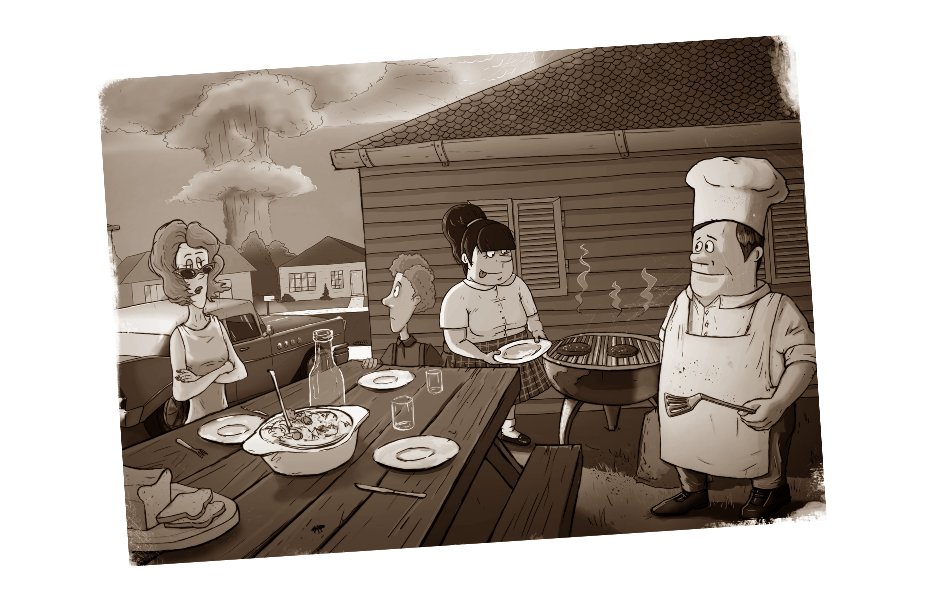
A hard working citizen and a family man.
Hello Ted! Don't be shy!

 
Floarea Calota Cucule De Pe Resteu
 

Wait a minute, what’s that sound?

Oh no!

It’s the nuclear bomb alarm!

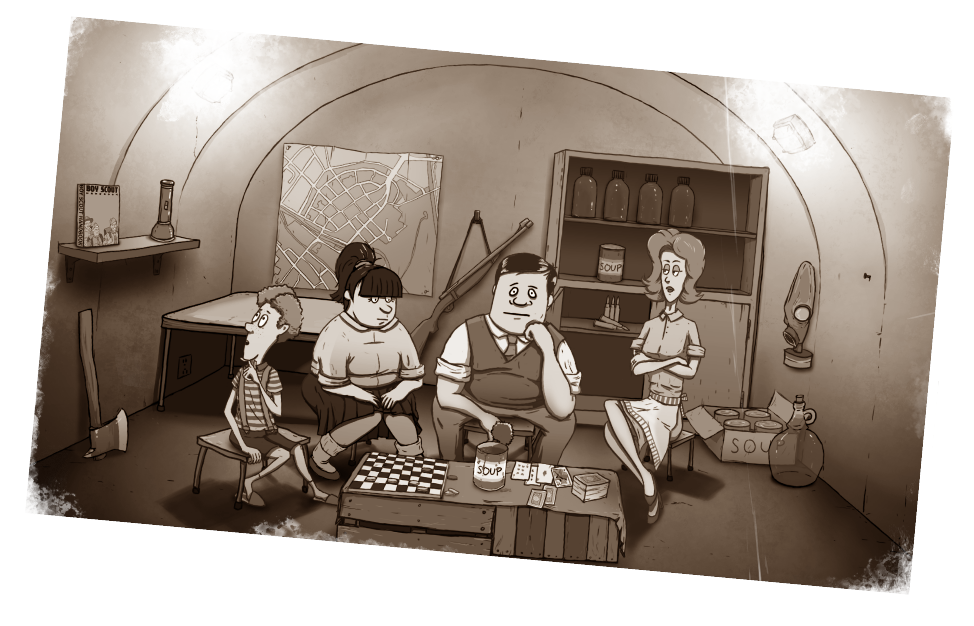
Not to worry, Ted knows what to do! The government’s superb early warning system gives Ted 60 seconds to take cover in the fallout shelter under his house. That’s more than enough time for Ted to collect supplies and of course his family! Now Ted can safely enjoy those charming sunsets over the radioactive wasteland with his loved ones*.

Good luck Ted!

Floarea Calota Cucule De Pe Resteu

* The government does not take responsibility for hardship, difficult and irreversible decisions and canned soup diet that will follow.

The lyrics typically revolve around themes of alienation and the passage of time. When the singer asks the cuckoo why it sings or where it has been, she is often reflecting on her own isolation or the absence of loved ones. The dialogue between the human and the bird serves as a metaphor for the universal human desire to be understood by the natural world. In Calota's version, the resonance of the Teleorman dialect adds a layer of authenticity that connects the listener to a specific ancestral lineage.

Floarea Calota’s performance of this piece is defined by her mastery of the "doina." This musical form is characterized by its improvisational nature and its ability to convey "dor"—a unique Romanian word encompassing longing, nostalgia, and heartache. Calota uses specific vocal ornaments, such as glissandos and rhythmic "sobs," to mimic the natural call of the bird and the emotional weight of the lyrics. Her voice carries a raw, earthy quality that reflects the plains of the Danube, where the song originated.

Floarea Calota is a cornerstone of Romanian folk music, and her interpretation of "Cucule de pe resteu" stands as one of the most evocative examples of the "doina" style from the Teleorman region. This song is more than a simple melody; it is a profound cultural artifact that captures the intersection of nature, longing, and the specific rural identity of southern Romania.

Ultimately, "Cucule de pe resteu" remains a masterpiece of the Romanian repertoire because of how Floarea Calota bridges the gap between the individual and the collective. While the song feels deeply personal, it speaks to the shared history of a people tied to the land and the seasons. Through her preservation of this song, Calota ensures that the intricate emotions of the Romanian village continue to vibrate in the modern world, proving that the simplest symbols—a bird and a plow—can carry the weight of a nation’s soul.

The title itself, "Cucule de pe resteu," introduces two vital symbols in Romanian folklore. The "cuc" (cuckoo bird) is a traditional messenger of fate, spring, and loneliness. In folk lyrics, the cuckoo is often addressed as a confidant to whom the singer confesses their deepest sorrows. The "resteu" refers to the iron pin of an ox yoke, a tool central to the traditional agrarian lifestyle. By placing the bird on a piece of farming equipment, the song immediately grounds its spiritual themes in the physical reality of peasant labor and the village landscape.
De Pe Resteu: Floarea Calota Cucule

The lyrics typically revolve around themes of alienation and the passage of time. When the singer asks the cuckoo why it sings or where it has been, she is often reflecting on her own isolation or the absence of loved ones. The dialogue between the human and the bird serves as a metaphor for the universal human desire to be understood by the natural world. In Calota's version, the resonance of the Teleorman dialect adds a layer of authenticity that connects the listener to a specific ancestral lineage.

Floarea Calota’s performance of this piece is defined by her mastery of the "doina." This musical form is characterized by its improvisational nature and its ability to convey "dor"—a unique Romanian word encompassing longing, nostalgia, and heartache. Calota uses specific vocal ornaments, such as glissandos and rhythmic "sobs," to mimic the natural call of the bird and the emotional weight of the lyrics. Her voice carries a raw, earthy quality that reflects the plains of the Danube, where the song originated. Floarea Calota Cucule De Pe Resteu

Floarea Calota is a cornerstone of Romanian folk music, and her interpretation of "Cucule de pe resteu" stands as one of the most evocative examples of the "doina" style from the Teleorman region. This song is more than a simple melody; it is a profound cultural artifact that captures the intersection of nature, longing, and the specific rural identity of southern Romania. The lyrics typically revolve around themes of alienation

Ultimately, "Cucule de pe resteu" remains a masterpiece of the Romanian repertoire because of how Floarea Calota bridges the gap between the individual and the collective. While the song feels deeply personal, it speaks to the shared history of a people tied to the land and the seasons. Through her preservation of this song, Calota ensures that the intricate emotions of the Romanian village continue to vibrate in the modern world, proving that the simplest symbols—a bird and a plow—can carry the weight of a nation’s soul. In Calota's version, the resonance of the Teleorman

The title itself, "Cucule de pe resteu," introduces two vital symbols in Romanian folklore. The "cuc" (cuckoo bird) is a traditional messenger of fate, spring, and loneliness. In folk lyrics, the cuckoo is often addressed as a confidant to whom the singer confesses their deepest sorrows. The "resteu" refers to the iron pin of an ox yoke, a tool central to the traditional agrarian lifestyle. By placing the bird on a piece of farming equipment, the song immediately grounds its spiritual themes in the physical reality of peasant labor and the village landscape.

De Pe Resteu: Floarea Calota Cucule

Console
PlayStation

De Pe Resteu: Floarea Calota Cucule

General:
Press:
Support:
Floarea Calota Cucule De Pe Resteu
Get social!
Share this
Follow us