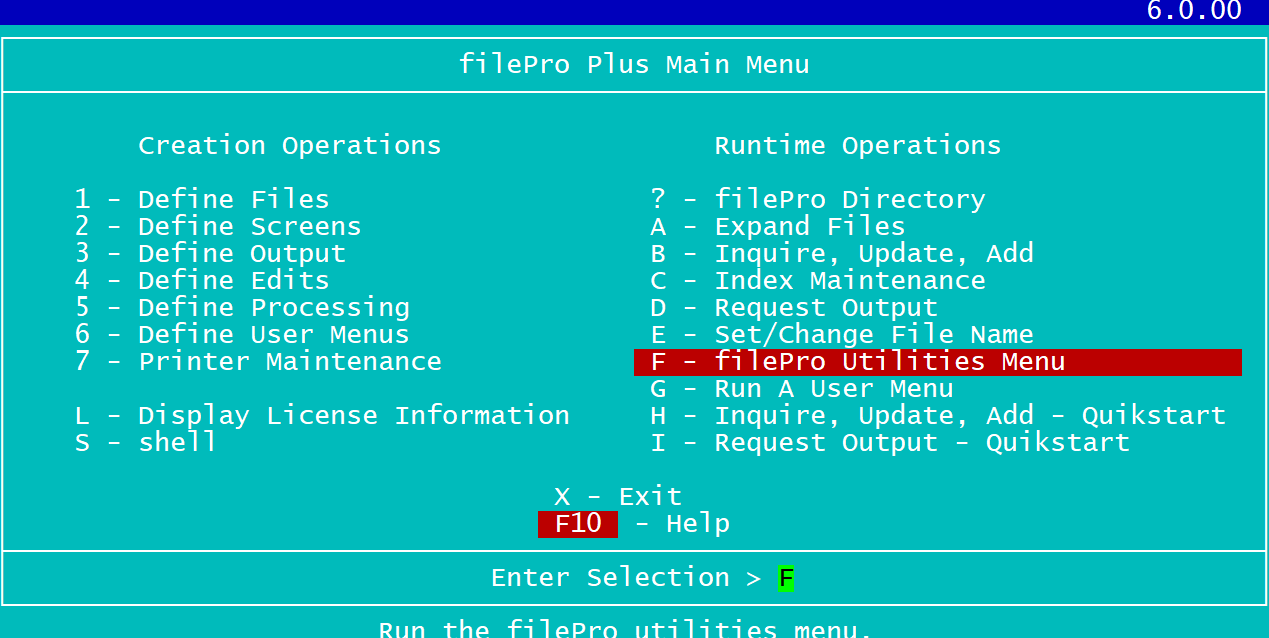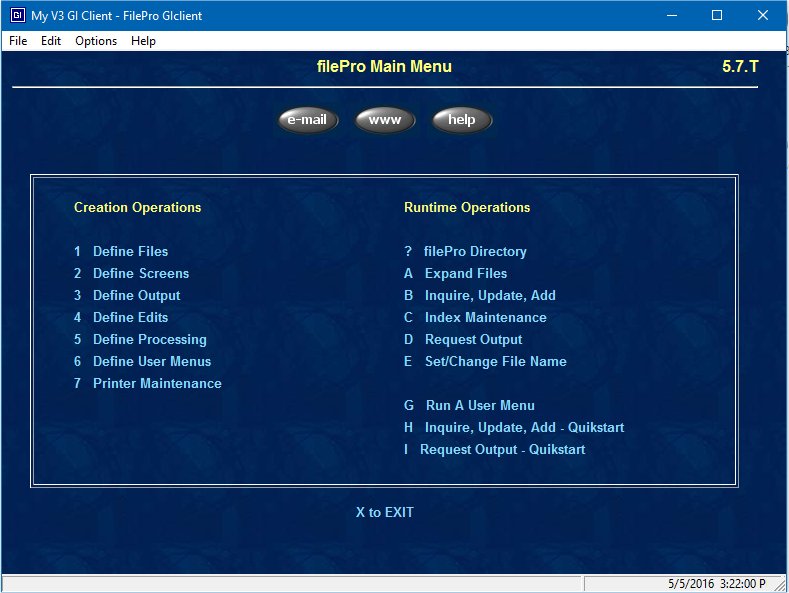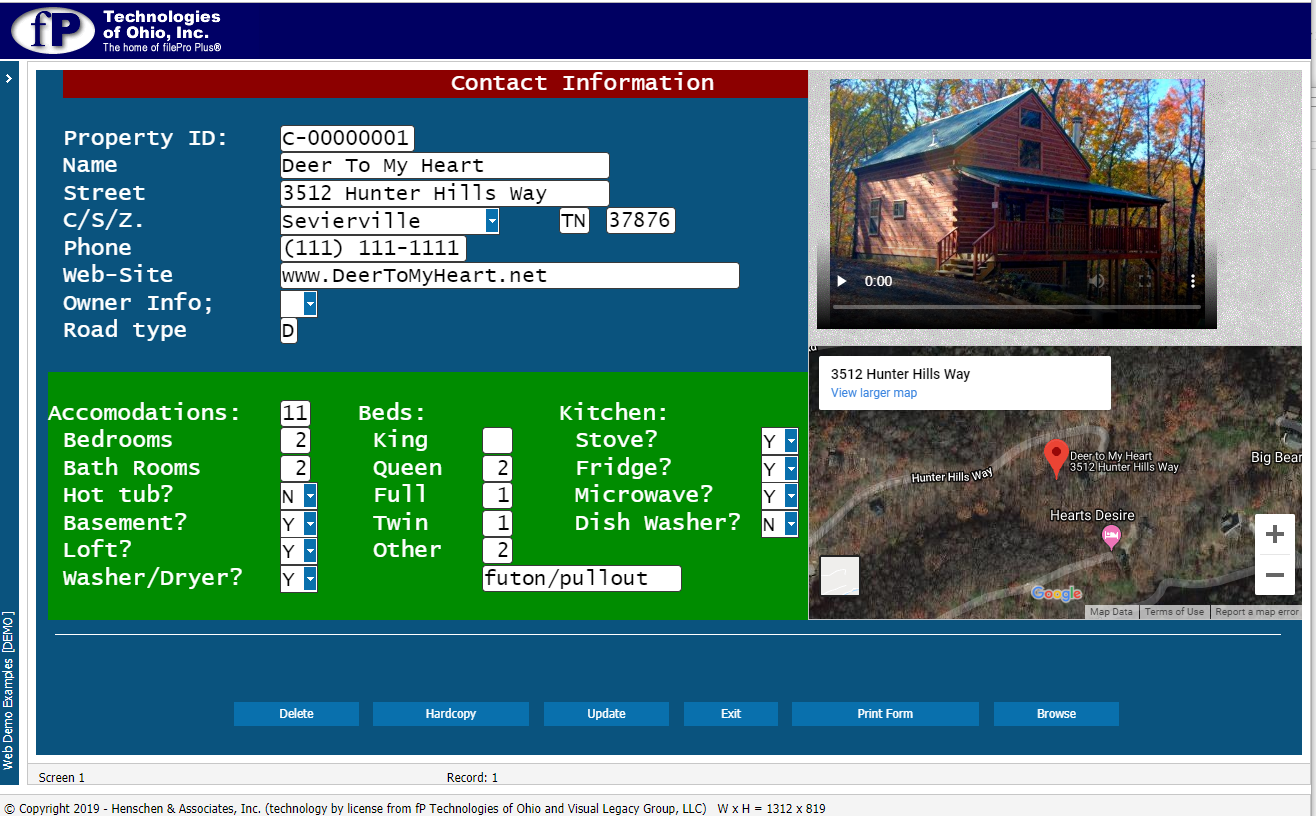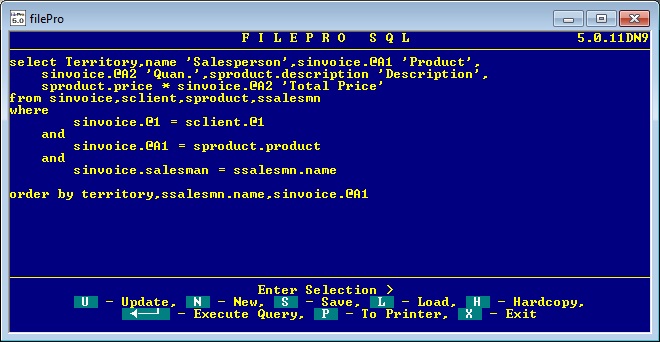


filePro® is a powerful database tool for rapid application development that offers data and code transportability from platform to platform, operating system to operating system, and has dual-write capabilities.
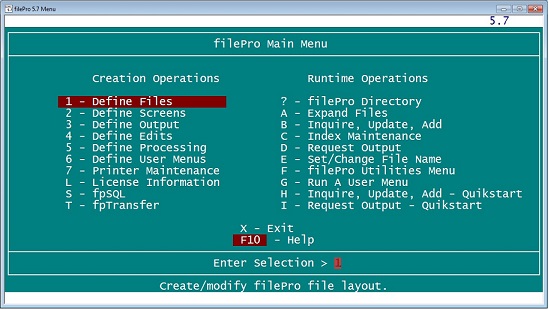
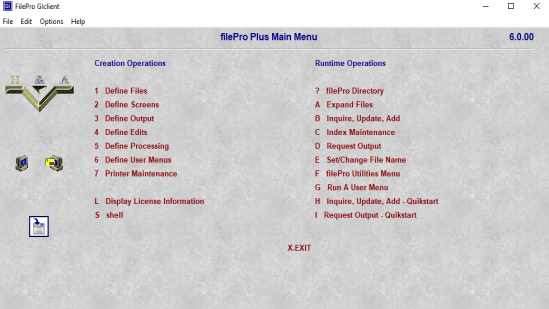
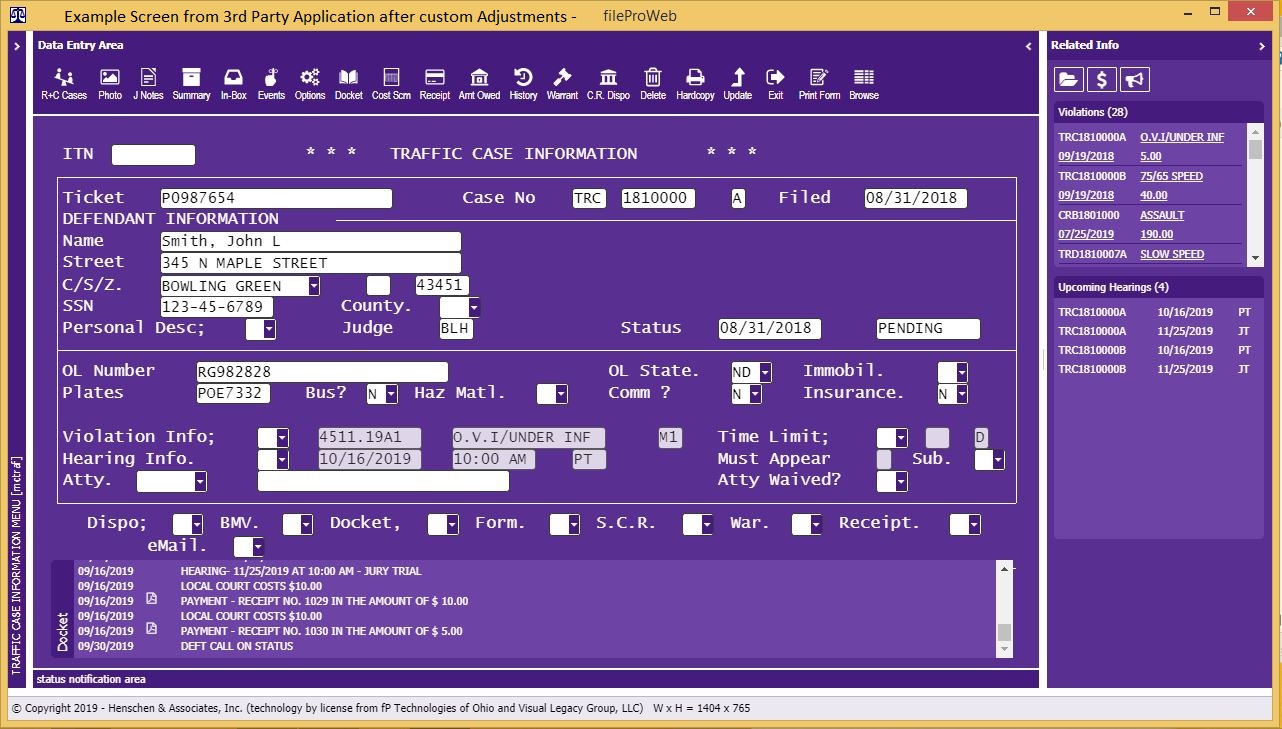
filePro® is a powerful database tool for rapid application development that offers data and code transportability from platform to platform, operating system to operating system, and has dual-write capabilities.



Mastering the HTTP Rotating.txt Workflow: A Web Scraper's Secret Weapon
Websites use anti-bot systems to monitor for "abnormal" behavior. If you hit a site 1,000 times in a minute from one IP, you’ll likely get "BAM—blocked". Rotating proxies allow you to:
import requests import random def get_data(url): proxy = random.choice(proxies_list) proxies = { "http": f"http://{proxy}", "https": f"http://{proxy}" } try: response = requests.get(url, proxies=proxies, timeout=5) return response.text except: print("Proxy failed, retrying...") return None Use code with caution. Copied to clipboard Pro Tips for High-Speed Scraping A Developer’s Guide To Rotating Proxies In Python - Zyte HTTP Rotating.txt
Collect massive datasets without pauses or CAPTCHAs. How to Implement Your Proxy List
At its core, this file is a plaintext database of proxy server addresses. Instead of using one static IP that eventually gets flagged, your scraper reads from this list to "disguise" itself as a different user every time it visits a site. Mastering the HTTP Rotating
To use the proxies in your HTTP Rotating.txt file, you need a script to read and apply them. Here is a simple approach using Python’s requests library: 1. Load the Proxies
with open("HTTP Rotating.txt", "r") as f: proxies_list = [line.strip() for line in f.readlines()] Use code with caution. Copied to clipboard 2. Rotate Per Request Copied to clipboard Pro Tips for High-Speed Scraping
192.168.1.1:8080:username:password 123.45.67.89:3128 http://proxyprovider.com Use code with caution. Copied to clipboard Why Bother Rotating?




Supported versions are 6.0 and 6.1 - Current Release is 6.1.00.10 - Update Subscription is 6.1.02.10 - fileProWeb is V387